
The Bahamas is one of the leading hubs of gambling and tourism in the Caribbean. Local resorts and cruise ships attract millions of visitors each year. To oversee and regulate this sector, the Gaming Board for The Bahamas has been in operation since the early 1970s.
Main Functions and Structure of the Board
The Board operates under the Lotteries and Gaming Act and, following the 2014 reform, under the Gaming Act 2014. Its key responsibilities include the issuance of licenses to casinos, monitoring compliance with legal requirements, auditing operators, combating fraud, and ensuring transparency standards.
The Board is composed of experts in economics, finance, law, and the gaming industry. It works in close cooperation with the Ministry of Tourism and the Ministry of Finance.
The Board issues licenses for casinos in major tourist areas – Nassau (New Providence), Freeport (Grand Bahama Island) – as well as for Gaming Houses (bookmaking outlets and online services for residents, introduced after the 2014 reform).
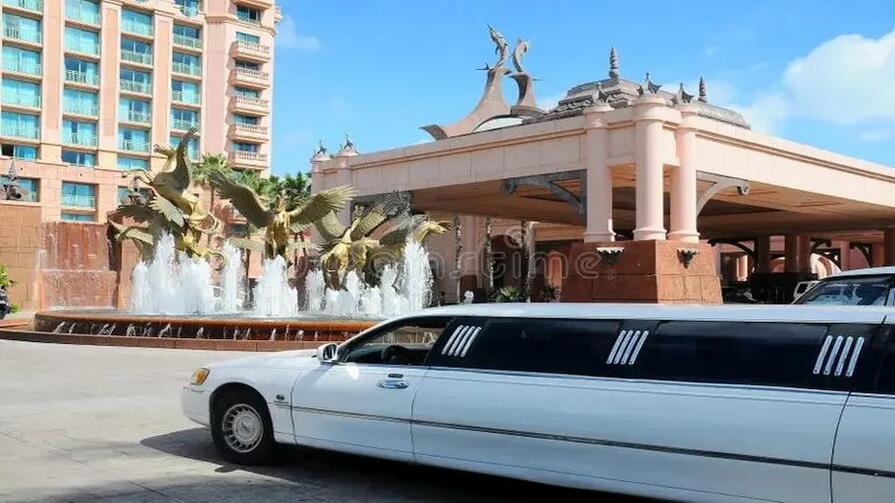
To obtain a license, an operator must undergo checks regarding its financial stability, technical systems, payout transparency, and compliance with responsible gaming standards. There are currently six licensed casinos in the country (including Atlantis, Baha Mar, and others), while a total of seven licenses are permitted; new properties are expected to open on Grand Bahama and in the Exumas.
Legal Framework and Player Eligibility
Foreign tourists are permitted to gamble in casinos from the age of 18. Residents, including citizens, permanent residents, and holders of work visas, are prohibited from participating in casino gambling. This historical restriction is linked to the tourism policy and is intended to protect vulnerable social groups within the country.
The government has discussed possible changes to this rule, but as of 2024 the ban remains in force. However, residents are allowed to place bets in Gaming Houses, which operate on online betting principles. Such activity is strictly licensed and regulated by the Board.
Player Protection and Social Policies
The Gaming Board has introduced responsible gambling standards aligned with international practices such as: AML/KYC requirements, anti-fraud measures, the identification and protection of minors.
Operators are required to offer self-exclusion mechanisms, deposit and betting limits, regularly inform players about risks associated with gambling, and provide access to psychological support. All gaming venues must display the “18+” age restriction notice, and mandatory identity checks are enforced when accessing services.
The country applies a strict AML/CTF policy: all operators must monitor suspicious transactions, conduct ongoing customer monitoring, and report any unusual activity to the Board. Special attention is also given to the informing of parents and educational institutions about the principles of safe gambling.
Economics: Taxation and Contribution to the State Budget
The gaming industry provides the country with a stable source of revenue: license fees and casino taxes alone generate up to 35 million dollars in annual budget income. The legal market supports thousands of jobs – major properties such as Baha Mar and Atlantis account for more than 30% of the country’s entire gaming sector, contributing not only taxes but also social support, charitable initiatives, and investment in local communities.
Issues, Reforms and Modern Challenges
The Board conducts continuous audits of all operators and regularly updates requirements for both online services and land based venues. The main challenges include combating the shadow market and adapting legislation to new technological capabilities such as mobile applications and iGaming integration. The Board is actively investing in staff training, modern IT systems, and cybersecurity standards.
In 2023 – 2024, the government has been discussing the possible removal of a long standing ban that prevents residents from playing in casinos. This step is expected to generate additional tax revenue and allow the country to compete more effectively with other resort destinations in the Caribbean and the United States.
Development Prospects
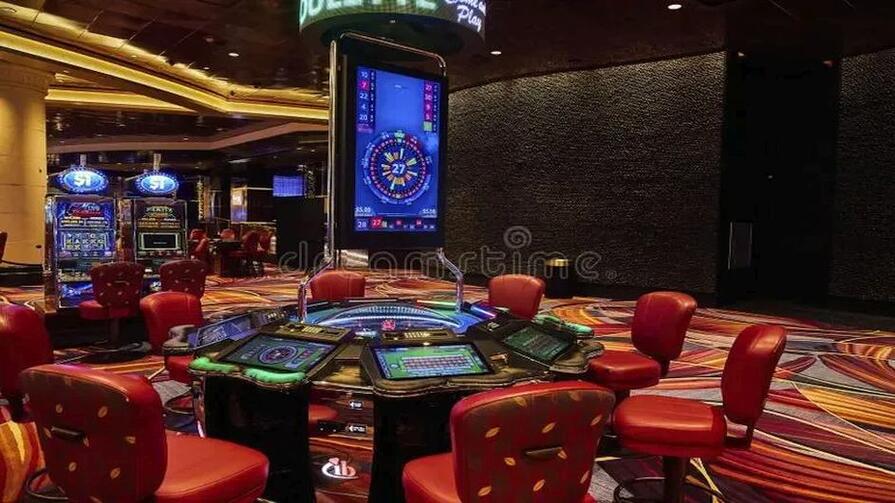
The Gaming Board is considering the possibility of expanding the number of issued licenses and launching new casinos on Exuma and Grand Bahama. Updates to the legal framework are being introduced to reflect the principles of fair play and the protection of citizens, alongside the introduction of digital monitoring of all transactions via specialised platforms.
The Bahamian model for the development of the gambling market combines strict oversight, openness to tourists, and consistent protection of society from the negative effects of gambling addiction. This demonstrates that a developed system of regulation can bring noticeable benefits to the country while minimising risks for its citizens.
 NGC License
  HGC License
  Commission for Regulation of Gambling and Lotteries Gaming License
  QUINEL Testing Laboratory
  GCB License


